
2026–27 calendar of events
To download a pdf of the 2026-27 program, click here.
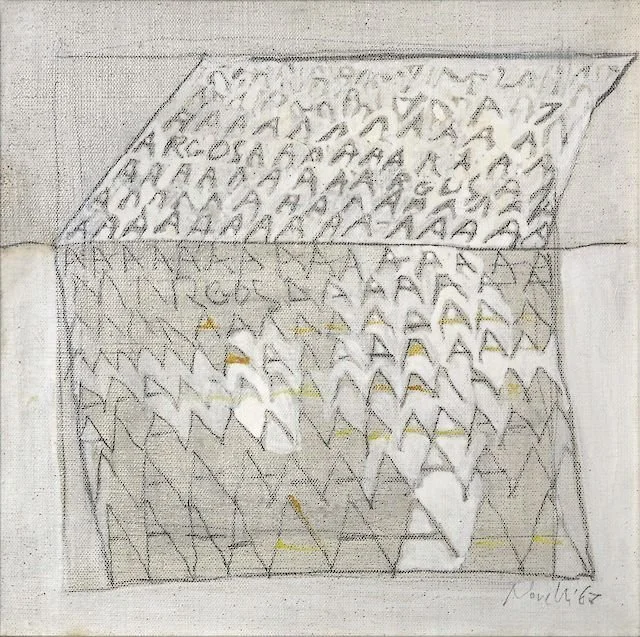

On Clinical Work with Survivors—Paola Mieli
The assault on human dignity that occurs in hate crimes, and the bodily harm that most often accompanies it, silences speech. Clinical work faces the challenge of allowing a silenced voice to reemerge. The direction of the cure implies giving transferential space to such a voice, reconstituting a frayed narcissistic fabric and reknotting imaginary, symbolic and real — relaunching the phantasm.
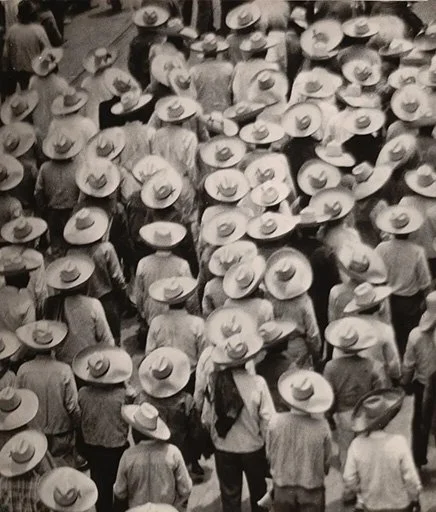
Economics Is Political: Unpacking the Logic of Austerity: A Workshop in Two Parts (Part I)—Clara E. Mattei
Economics is sold as pure and apolitical: scientific, neutral, exact. Its true role is to convince us there’s no alternative to capitalism. We live under the dogma that austerity is necessary, unemployment natural, endless wars inevitable, central banks all-powerful, and those with most resources most worthy of rewards. Growth, inflation, unemployment are concepts to enforce market dependence, not freedom, disempowering us to shape the democratic decisions that govern our daily lives. Why should we accept this relatively young system that’s not scientific, natural, or inevitable — that is replaceable?
dates to be announced
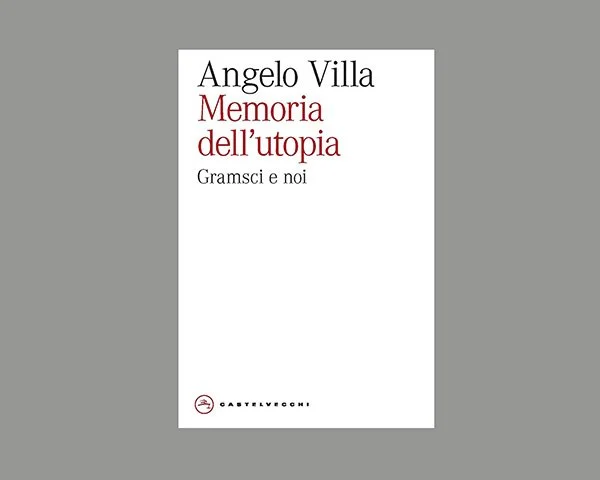
Memoria dell’utopia: Gramsci e noi—Angelo Villa
This biography of the revolutionary thinker Antonio Gramsci encompasses his Sardinian childhood marked by poverty and illness; his years of study, intellectual production and political activism; and his last years of imprisonment under Fascism which failed to deflect his fundamental drive toward the future.
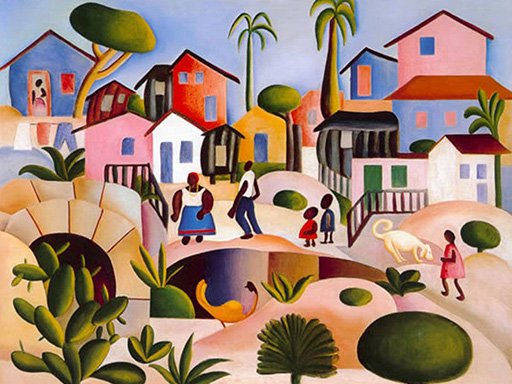
On Child Psychoanalysis Today—Angelo Villa
Child psychoanalysis, ever since Freud’s time, has been a testing ground for our field, serving to question the basic premises of psychoanalysis. While inextricable from intergenerational history, it is also firmly marked by contemporary issues and new forms of symbolization. This workshop will focus on the analyst’s obligation to respond inventively to new symptoms in children and remain open to the unexpected.